Early last century a chemist (L. Baekeland) officially invented synthetic plastic, and called it Bakelite. Since then plastic has taken over the world; literally because the world is choking on it. Manufacturing output is expected to reach 500 million tonnes by this year (2025).
This versatile, light, durable…durable…so durable material that it takes thousands of years to degrade in landfill while it sheds toxic chemicals and takes up valuable land space.
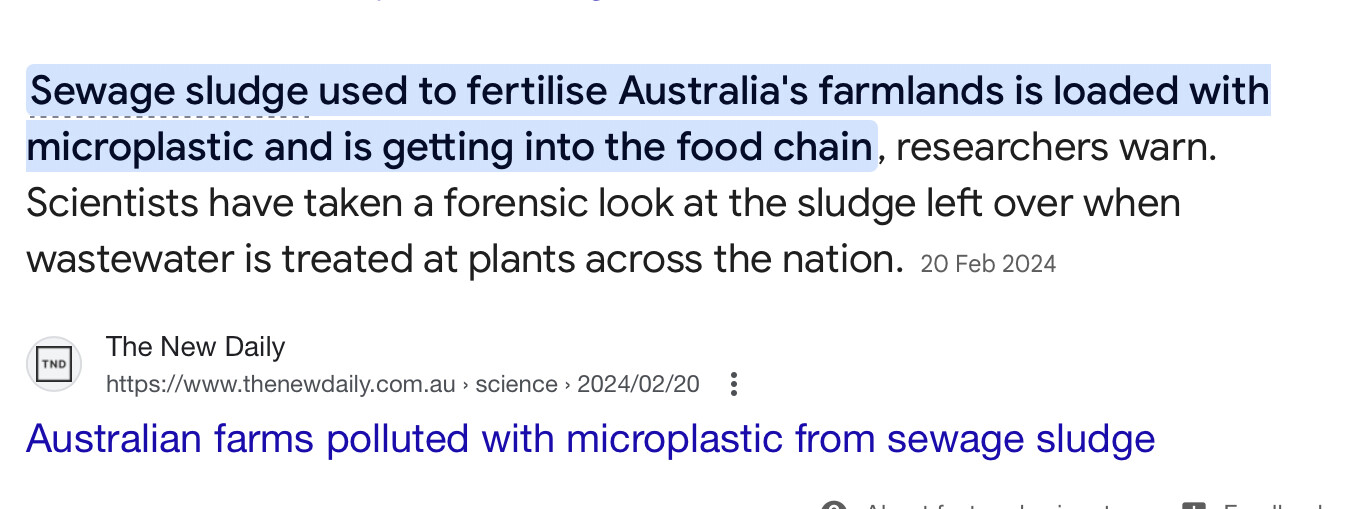
What plastic can easily do is to break down into microscopic particles (microplastics and nanoparticles) creating an even greater environmental problem: polluting air, water, food chain, existing in the form of beads, fragments, pellets, fibres.
The dangers to the health of humans and animals is being the subject of serious scientific studies. Toxic injury to internal organs, to the brain in particular, one of the greatest concerns.
Microplastics getting into our ocean and waterways
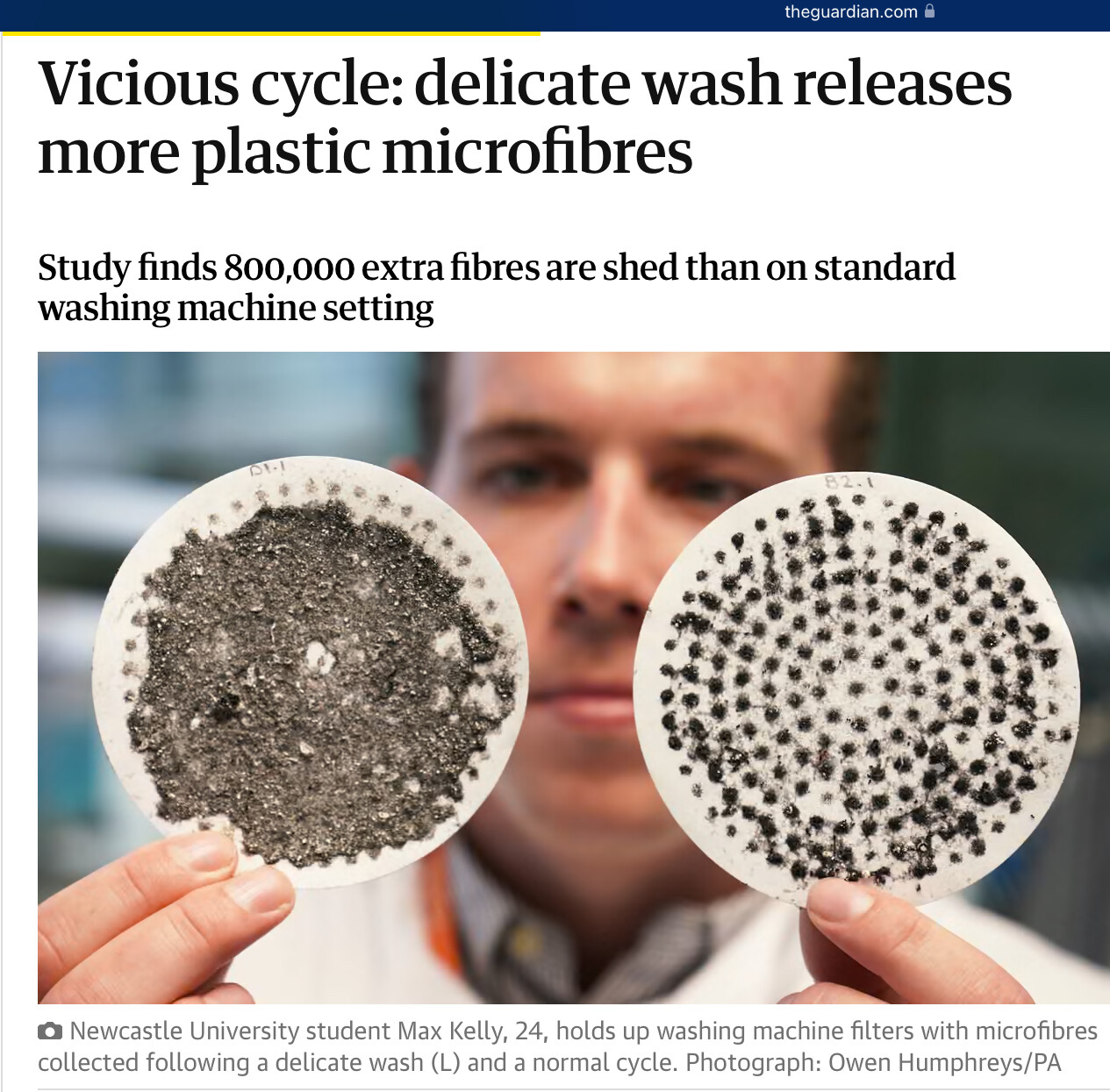
Washing machine filters:
Synthetic fabrics are one of the biggest source of shedding: they shed while they are being manufactured, worn, disposed of, and most of all when they are washed.
Fitting filters in washing machines has been a project taken up in most western countries (Australia has announced that filters will be required in commercial and residential washers by 2030).
Biomimetic (study to mimic how nature copes and finds solutions).
The European Research Council has funded studies into designing washing machine filters based on the ability of giant fish to separate water from food especially tiny plankton by making use of the thin long prongs in their mouth to act like sieves. It could reduce microplastic shedding in our laundries by 90%.
The question remains: how to dispose of microplastic waste?
When those filters get cleaned where does the trapped MP go?
Landfill: like the plastic it came from it doesn’t degrade for thousands of years taking up valuable land space and releasing toxic chemicals.
Incinerators: generate dioxins which are very harmful to humans and animals.
Gasification and Pyrolysis: can turn plastic trash into energy conveyors. Both require high capital cost, high temperatures and energy consumption. Both are very low value for capital investments.
An encouraging discovery:
From an article in ‘theconversation’.
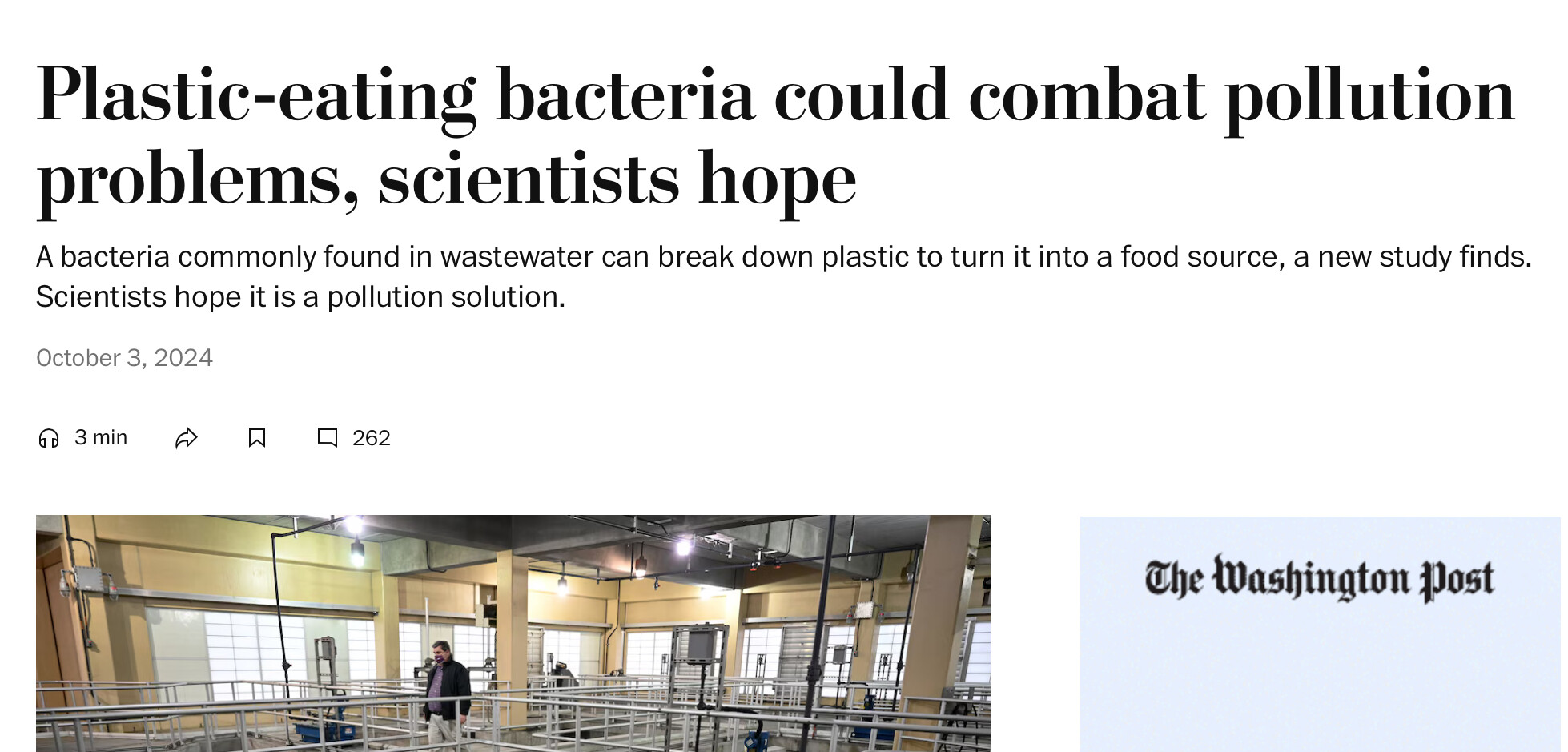
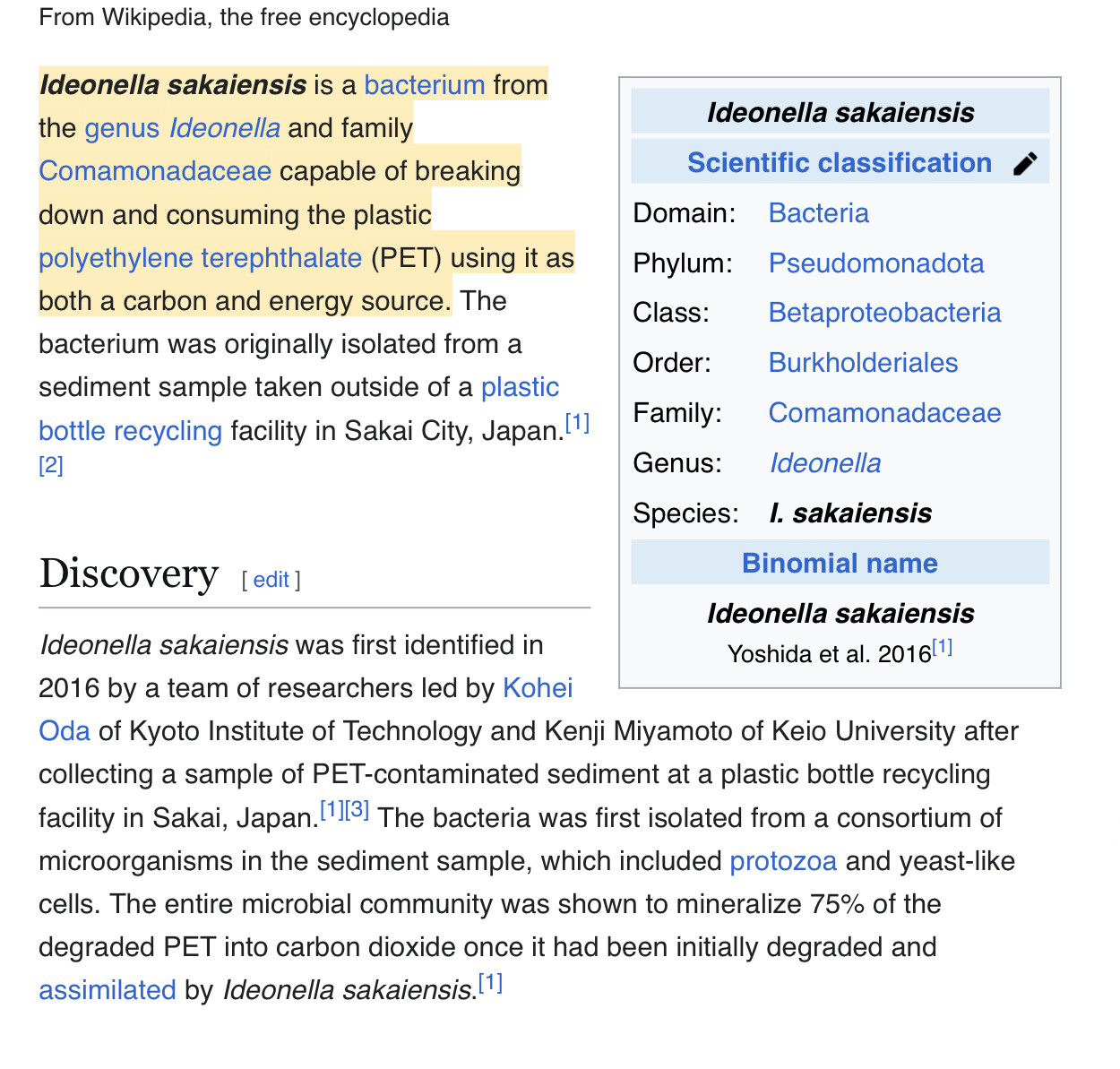
…'But scientists recently discovered a strain of bacteria that can literally eat the plastic used to make bottles, and have now improved it to make it work faster. The effects are modest – it’s not a complete solution to plastic pollution – but it does show how bacteria could help create more environmentally friendly recycling? …
…It is relatively unusual to be able to engineer enzymes to work better than they have evolved through nature. Perhaps this achievement reflects the fact that the bacteria that use PETase are only recently evolved to survive on this man-made plastic. This could give scientists an exciting opportunity to overtake evolution by engineering optimised forms of PETase.’
Polyethylene terephthalate (PET) came to us in 1973 an invention by N. Wyeth. Light weight, unbreakable, it’s the plastic bottle par excellence. Billions of PET bottles end up in our oceans degrading into microplastics.
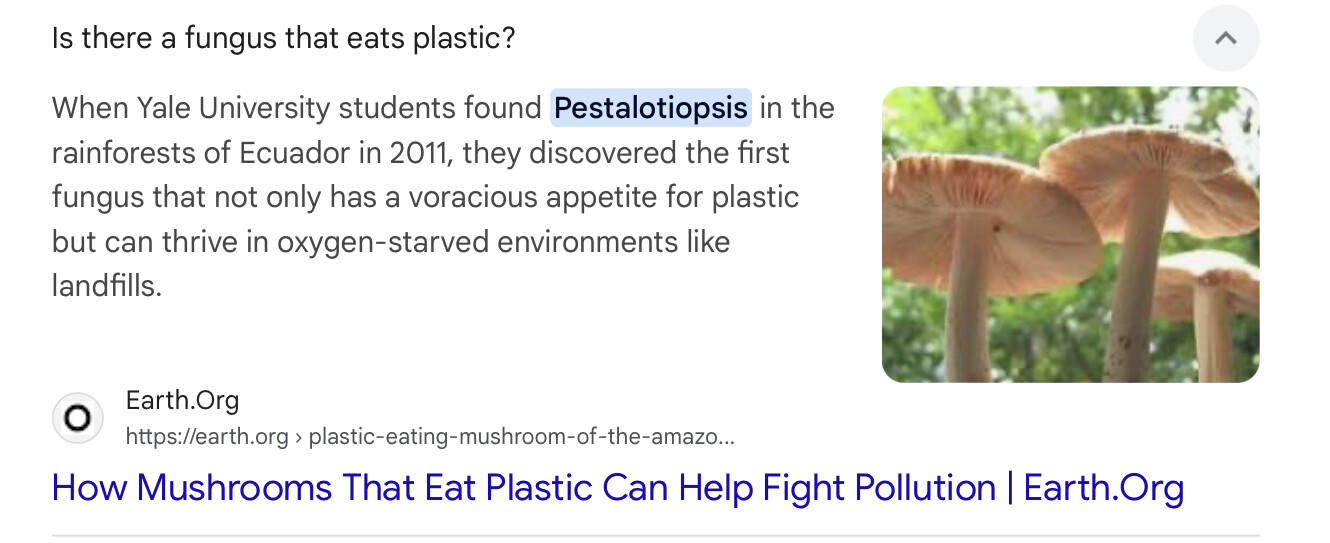
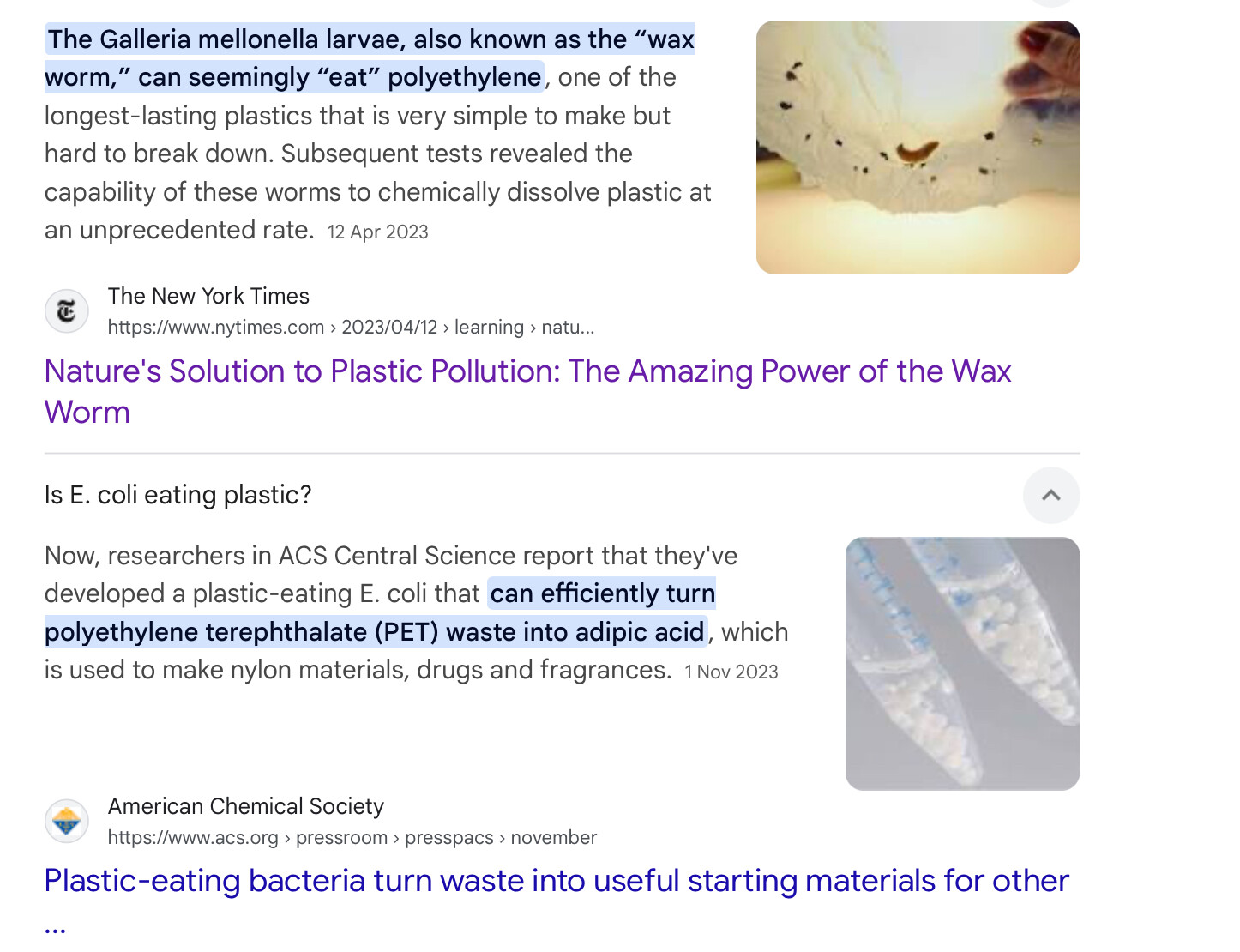
I find it encouraging that nature is defending itself by developing bacteria which is able to destroy some form of plastic.
There’s hope yet 




 ).
).