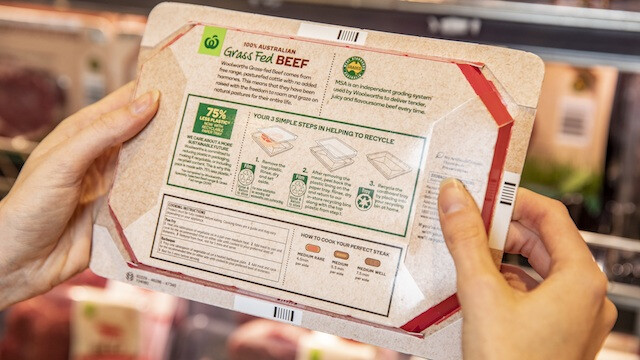
Kerbside Recyclable or just another Redcycle Scam?

I had been purchasing the Macro Wholefoods Market Organic range with the new paper-based packaging when my friend pointed out that it had a laminated paper-plastic packaging that wasn’t actually kerbside recyclable.

Claims on the packaging included: Put me in your recycle bin, paper-based packaging that is kerbside recyclable, Supported by the Australasian Recycling Label (ARL).

A quick google lead me to a Facebook thread that indicated that there are also consumers across Australia that don’t accept the packaging in their kerbside either and that even VISY has reportedly confirmed that they can’t recycle this type of packaging because the plastic laminate can’t be separated from the paper during pulping. So even if your LGA accepts the packaging in the kerbside recycling, it might not actually be recycled, but rather diverted to landfill.

I initially commended Woolies for their move, but now I have some side eyes and further questions:

  • Should this product be marketed as kerbside recyclable if councils and processors can’t actually recycle it?
  • Should the ARL system approve labels that don’t reflect real‑world recycling outcomes?
  • Is “paper‑based” being used as a marketing schtick when the pack still contains PE‑LD plastic, EVOH, and other barrier layers? Why is there no transparency about whether these “new barrier technologies” include PFAS? And after the collapse of Redcycle, shouldn’t we be especially cautious about claims that sound good on paper but don’t match what actually happens to the waste? How can we get stricter regulations on this claims?

To the Choice Community:

  • Does your council accept laminated paper‑plastic packaging?
  • Has anyone seen evidence of actual recycling of this type of pack in Australia?
Is this what you refer to? The macro packaging instructs one to deconstruct into the top film, the ‘bottom liner’, and the cardboard. Check a package and note step1 and step 2. Does this address your concern or is your post about more than the following?

I usually have one in the fridge but not this morning, so from the net

Step 2, separating the ‘bottom liner’ from the cardboard is an experience because they do not come apart nicely, but come apart they do. Then one has two plastic films and what is left of the cardboard backing (usually in pieces).

The synopsis - it is documented to need deconstructing not just putting the as-delivered container into recycling in whole or part until that has been done.

As with many things the onus is on the customer to separate the parts.

2 Likes

Which product is it?

There has been a lot of misinformation online (particularly social media) that paper with glossy side must be plastic coated. This isn’t necessary correct.

There are some packaging which has polymer coatings, such as milk cartons and others which the processing methods create a shiny paper surface (e.g. packaging for ICare products which state they are 100% paper). There are also multicoated papers which have foils and plastic film (such as long life milk and substitute milk products). Each of these packaging types are recyclable.

There are others such as plastic coated single use paper coffee cups which can’t be widely recycled, as it is difficult to remove the film from the paper. I understand that such coffee cups don’t currently qualify for ARL logos, as they can’t be readily recycled.

It isn’t possible to provide advice on if the paper packaging in question is recyclable or not, unless the product and paper type is known. Unfortunately since there is a lot of misinformation online, I wouldn’t necessarily be relying on what you friend says. I would be relying on the ARL logos on the packaging, as recyclability and use of the logos have been determined by industry experts.

If this claim is being made, the paper is recyclable. This is the purpose of the ARL and the packaging industry needs to prove proof of recyclability to be able to use the ARL logos.

Whether it can be locally collected and recycled, is dependent on contracts in place between companies that collect recyclable materials and those that recycle them.

For example, multicoated papers which have foils and plastic film (such as long life milk and substitute milk products) can be recycled and have ARL logos. However, in Tasmania, these types of containers can’t be placed in kerbside recycling bins as the collection businesses currently don’t have avenues to send them for recycling. As a result in Tasmania, they are currently disposed of in general waste bins.

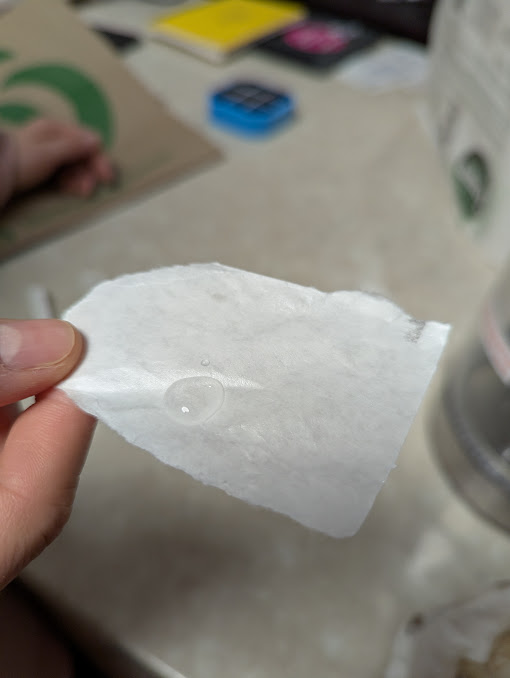
While I could be wrong, in the photo you have posted, the paper looks similar to that on the Icare packaging. The photo also shows the paper can easily be torn like paper, which suggests it isn’t paper with a plastic coating. Most plastic coated papers tend to stretch when one tries to tear the paper, rather than tearing like paper. This can only be confirmed when product and packaging type is known. As it contains ARL logos, the paper can be recycled.

3 Likes